Best Wedding Flowers by Season: A Guide to Choosing the Right Blooms
Your wedding is the most important day in your life and choosing wedding flowers by season gives you blooms that remain fresh for the duration of your wedding, more expressive and naturally suited to the weather. It also allows your florist to work with greater variety across bridal bouquets, garlands, entrances, mandaps and tablescapes.
Every wedding carries its own colours, memories and emotions. 1 Magnolia Lane brings them together through flowers creating a celebration that could belong to no one else. When you work with 1 Magnolia Lane, you know your wedding flowers are in the hands of the best.
Choosing wedding flowers is also about creating a complete aesthetic. The flowers should complement the colours, setting and theme of the wedding while expressing the feelings at the heart of the occasion. A skilled florist will select varieties suited to the season and weather, reducing the risk of wilting, and transform them into arrangements that feel distinctive rather than expected. Every bouquet, garland and installation should belong to this particular couple and this particular celebration.
India’s flowering seasons vary by region, temperature and rainfall. Premium farms and imported varieties also extend availability considerably. Treat seasonality as a creative starting point rather than a rigid rule.
What Are the Best Wedding Flowers for Each Season?
|
Wedding season |
Flowers to consider |
Particularly suited to |
|
Spring |
Tulips, ranunculus, anemones, roses, sweet peas and delphiniums |
Bouquets, aisle flowers and garden-inspired décor |
|
Summer |
Orchids, anthuriums, roses, lisianthus, mogra and tuberose |
Garlands, mandaps and indoor celebrations |
|
Monsoon |
Orchids, anthuriums, lotus, tuberose and tropical foliage |
Sculptural installations and covered venues |
|
Autumn |
Marigolds, chrysanthemums, celosia, roses and early dahlias |
Festive entrances, mandaps and tablescapes |
|
Winter |
Roses, peonies, tulips, ranunculus, lilies and hydrangeas |
Abundant arrangements and large celebrations |
The final selection should also consider the venue, time of day, wedding palette and whether the flowers will be used indoors or outdoors.
Which Flowers Are Best for a Spring Wedding?
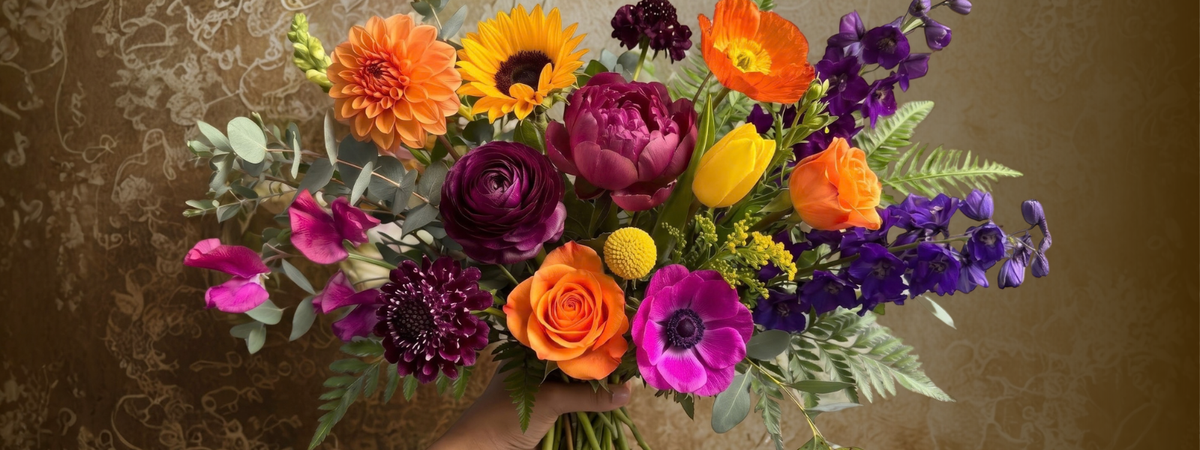
Spring is suited to flowers with movement, soft colour and a freshly gathered quality. Tulips, ranunculus, anemones, sweet peas, roses and delphiniums can create anything from a delicate bridal bouquet to an abundant garden-inspired mandap.
Pastels feel natural in this season, but spring flowers need not be limited to blush and white. Coral ranunculus, blue delphiniums, yellow tulips and deep anemones can create a more expressive palette.
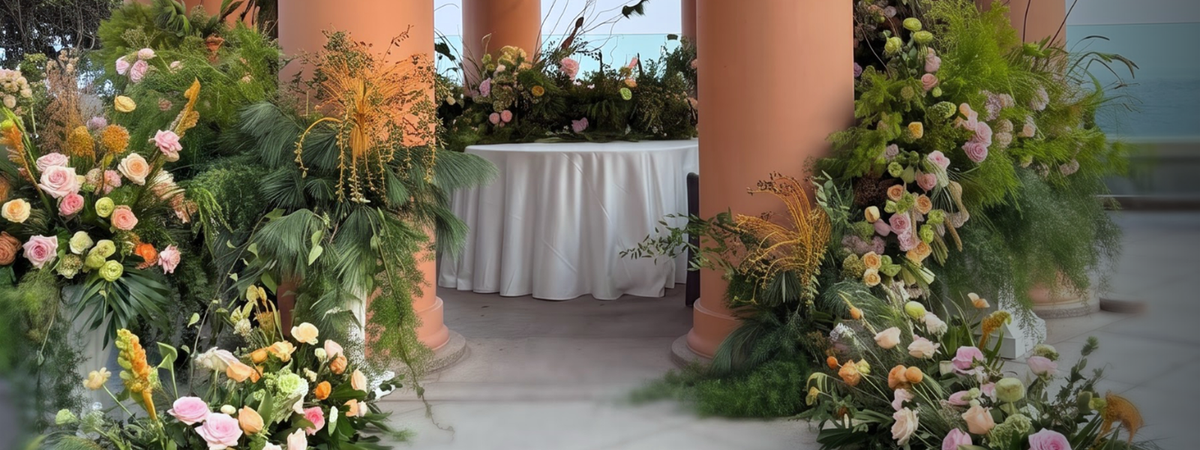
For wedding flower decoration, smaller blooms can be layered with flowering branches and fresh greens. The result feels generous and detailed without becoming heavy.
What Are the Best Summer Wedding Flowers?
Summer weddings require flowers selected for their ability to withstand warmth and careful handling. Orchids, anthuriums, roses, lisianthus, mogra and tuberose are strong choices when chosen according to the venue and temperature.
Orchids and anthuriums bring form and structure to contemporary arrangements. Mogra and tuberose introduce fragrance and have a natural connection with Indian celebrations. Roses remain versatile, particularly when transported and installed under temperature-controlled conditions.
For outdoor weddings, delicate flowers should not be left exposed long before the ceremony. Indoor and evening celebrations allow the florist to work with a broader selection.
Which Flowers Work Best for a Monsoon Wedding?
Monsoon flowers should be selected with humidity, rainfall and the venue in mind. Orchids and anthuriums work well in sculptural arrangements, while lotus, tuberose and tropical foliage can create a lush seasonal atmosphere.
Covered installations are important, even when the ceremony is planned outdoors. Entrances, mandaps and suspended pieces should be designed around the possibility of wind or rain.
A monsoon palette can move beyond predictable greens. Deep burgundy, plum, pink and ivory create richness, while white flowers against glossy foliage feel fresh and dramatic.
Which Flowers Are Best for an Autumn Wedding?
Autumn is a wonderful season for marigolds, chrysanthemums, celosia, roses and early dahlias. These flowers work naturally with palettes of saffron, rust, ochre, burgundy and deep pink.
Marigolds can be used in generous masses across entrances, ceilings and ceremonial spaces. Chrysanthemums and celosia bring texture, while roses soften the composition. For a more contemporary interpretation, combine traditional Indian flowers with restrained forms and unexpected colours.
Autumn flowers are particularly effective for festive wedding decoration, from sculptural mandaps to long tables filled with low, abundant arrangements.
Which Flowers Are Best for a Winter Wedding?
Winter offers one of the widest selections of premium wedding flowers. Roses, peonies, tulips, ranunculus, anemones, lilies and hydrangeas can be used across bouquets, installations and tablescapes.
Cooler temperatures also allow delicate varieties to remain fresh for longer. This makes winter well suited to large-scale floral ceilings, abundant entrances and layered table arrangements.
White and green create a crisp winter composition, while burgundy, plum and red bring depth. Blush, peach and ivory offer a softer alternative for daytime weddings.
Choosing Flowers to Match the Wedding Aesthetic
Flowers should feel connected to everything around them the clothing, venue, invitations, lighting, tableware and time of day.
A heritage setting may call for abundant Indian flowers, old-world colours and traditional garlands. A modern architectural venue might suit sculptural orchids, anthuriums and restrained compositions. A garden wedding can draw from loose seasonal arrangements, flowering branches and layered greens.
Matching does not mean making every element the same colour. A skilled florist can work with complementary shades, tonal variations and carefully placed contrasts to create a richer visual language.
The theme should guide the flowers without overwhelming the couple. The aim is to create an atmosphere that guests can feel as soon as they enter.
Choosing a Flower Garland for a Wedding
A flower garland for a wedding should be designed for comfort as carefully as it is designed for appearance. Consider its weight, fragrance, length and how it will sit against the couple’s clothing.
Mogra, roses, orchids, tuberose and marigolds can all be used in wedding garlands. Delicate flowers may be woven closely for strength, while larger blooms can be placed at intervals to create shape without unnecessary weight.
The garland should also relate to the wider floral language of the wedding. It does not need to match every arrangement, but its colours and flowers should feel connected to the ceremony.
How to Plan Wedding Flower Decoration
Begin with the spaces that will appear most often in photographs and be experienced most closely by guests:
-
Entrance
-
Varmala or ceremony area
-
Mandap
-
Bridal bouquet and personal flowers
-
Dining tables
-
Stage or reception backdrop
-
Bar and lounge areas
-
Staircases, ceilings and suspended installations
The same flowers do not need to appear everywhere. A strong design language can be carried through colour, form and texture while allowing each space to have its own character.
Use seasonal flowers generously where they matter most, then balance them with foliage, branches, candles and considered vessels. This creates visual impact without making every area feel identical.
What Flowers Are in Season for Weddings?
Seasonal availability depends on the wedding location, weather and flower farm. Some flowers have brief natural seasons, while others are grown under controlled conditions or imported.
Instead of designing the entire wedding around one irreplaceable flower, establish a palette, mood and overall aesthetic. Your florist can then select the best flowers available while preserving the intended character of the celebration.
Seasonality is also essential to freshness. Flowers chosen for the climate and venue are less likely to wilt and better able to retain their shape, colour and presence through a long ceremony.
Making Wedding Flowers Feel Unique
Unique wedding flowers do not always require rare varieties. Their individuality can come from a meaningful colour, an unexpected combination or a flower connected with the couple’s story.
A family garden, a remembered fragrance or the flowers carried by a parent at their wedding can become the starting point. The season, venue and rituals can then shape how that idea is expressed.
Flowers hold the emotions of a wedding. They frame the vows, accompany the couple and become part of the memories preserved in photographs. The most successful arrangements create beauty while remaining true to the feelings of the occasion.
Why Choose 1 Magnolia Lane for Wedding Flowers?
-
Flowers sourced exclusively from premium flower farms
-
An extensive variety of fresh, imported and seasonal flowers
-
Flowers selected for the season, venue and weather so they remain fresh throughout the celebration
-
A cohesive aesthetic shaped around the wedding’s colours, theme and setting
-
Bespoke arrangements designed to feel distinctive and personal
-
Floral storytelling that captures the emotions at the heart of the occasion
-
Bridal bouquets, wedding garlands, mandaps, tablescapes and large-scale installations
-
Experience creating intimate gatherings as well as expansive celebrations
-
A considered process from conversation and venue visit to concept, budget and execution
-
Temperature-controlled handling throughout preparation and installation
-
One dedicated point of contact through the complete floral journey
Plan Your Wedding Flowers with 1 Magnolia Lane →